Boat Plans & Designs: Your Ultimate Guide to Finding, Reading, and Using Boat Plans

Boat Building Plans: Your Ultimate Guide to Finding, Reading, and Using Boat Plans
Boat building is an exciting venture that combines creativity, craftsmanship, and technical knowledge. Whether you’re a DIY enthusiast or a professional builder, understanding boat plans is crucial for successful construction or restoration. This guide will help you navigate the world of boat plans and designs, providing insights into how to find, read, and effectively use them. Many aspiring builders struggle with interpreting complex plans, which can lead to costly mistakes. By mastering the art of reading boat plans, you can ensure your project runs smoothly and meets your expectations. In this article, we will explore the different types of boat plans, how to read them, tools that can assist you, common pitfalls to avoid, and much more.
What Are the Different Types of Boat Plans and Designs?

Boat plans come in various forms, each tailored to specific types of vessels and construction methods. Understanding these types is essential for selecting the right plan for your project. Here are some common categories:
- Power Boat Plans: Designed for speed and efficiency, these plans focus on hull shapes that optimize performance.
- Sail Boat Plans: These plans emphasize stability and wind resistance, featuring designs that enhance sailing capabilities.
- Multi-Hull Boat Plans: These designs offer increased stability and space, making them popular for recreational and commercial use.
Different types of boat plans cater to various needs and preferences, ensuring that builders can find a suitable option for their specific project.
| Type of Boat Plan | Description | Key Features |
|---|---|---|
| Power Boat Plans | Focus on speed and performance | Sleek hull designs, engine placement |
| Sail Boat Plans | Emphasize sailing efficiency | Keel design, mast placement |
| Multi-Hull Plans | Offer stability and space | Twin or triple hulls, wider beam |
This comparison highlights the diversity of boat plans available, allowing builders to choose the most appropriate design for their needs.
How Do Wooden Boat Plans Differ from Other Materials?
Wooden boat plans are unique compared to those made from fiberglass or metal. The primary differences lie in the material properties and construction techniques. Wooden boats often require specific considerations regarding durability, cost, and maintenance.
Wooden plans typically emphasize traditional craftsmanship, which can be appealing to many builders. However, they also require knowledge of wood types, joinery techniques, and finishing processes. In contrast, fiberglass and metal plans may focus more on modern construction methods and materials, which can offer advantages in terms of weight and durability.
Understanding these differences is crucial for selecting the right plan based on your skills and project goals.
How Can You Effectively Read and Interpret Boat Plans?
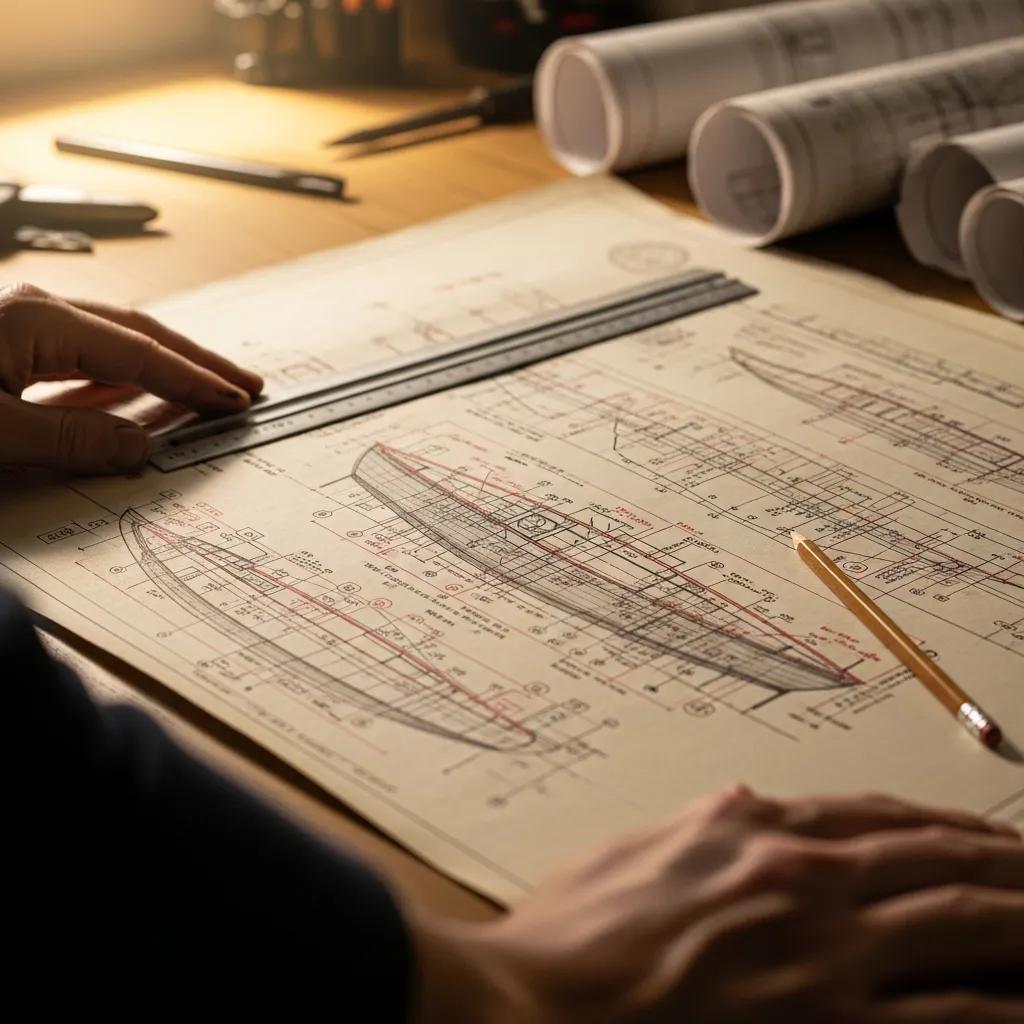
Reading boat plans can be daunting, but with the right approach, you can master this skill. Effective interpretation involves understanding symbols, dimensions, and notes included in the plans.
- Understanding Symbols: Familiarize yourself with common symbols used in boat plans, such as those representing different materials and components.
- Reading Dimensions: Pay close attention to the dimensions provided, as they dictate the size and scale of your build.
- Interpreting Notes: Notes often contain critical information about construction techniques and material specifications.
By honing these skills, you can confidently navigate any boat plan and ensure accurate execution of your project.
What Tools and Techniques Help in Reading Boat Plans?
To effectively read and interpret boat plans, several tools and techniques can enhance your understanding and accuracy:
- Ruler and Scale: Essential for measuring dimensions accurately.
- Digital Tools: Software applications can help visualize plans and make adjustments.
- Reference Materials: Books and online resources can provide additional context and explanations for complex symbols and terms.
Utilizing these tools will streamline the process of reading boat plans and improve your overall building experience.
What Are Common Mistakes to Avoid When Reading Plans?
When working with boat plans, it’s easy to make mistakes that can lead to significant issues down the line. Here are some common pitfalls to avoid:
- Misinterpreting Symbols: Ensure you understand the symbols used in your plans to avoid construction errors.
- Ignoring Dimensions: Always double-check dimensions before cutting materials to prevent costly mistakes.
- Overlooking Notes: Notes often contain vital information that can impact the success of your build.
By being aware of these common mistakes, you can approach your boat building project with greater confidence and accuracy.
Which Boat Plans Are Best Suited for DIY Builders?
Choosing the right boat plans is crucial for DIY builders, especially those new to the craft. Here are some recommendations:
- Beginner-Friendly Plans: Look for designs that are straightforward and require minimal specialized skills.
- Advanced Plans for Experienced Builders: More complex designs can offer greater challenges and rewards for seasoned builders.
- Cost Considerations: Factor in the cost of materials and tools required for each plan to ensure it fits your budget.
Selecting the right plan based on your skill level and resources will set you up for success in your boat building journey.
Boat Builder Central offers a variety of high-quality boat plans and designs that cater to both beginners and experienced builders. Their resources are designed to support successful boat building or restoration projects, ensuring you have the right tools and information at your fingertips.
How to Choose Small Boat Plans for Beginners and Experts?
When selecting small boat plans, consider the following factors to ensure a good fit for your project:
- Skill Level Assessment: Evaluate your experience and choose plans that match your capabilities.
- Project Scope: Determine the size and complexity of the boat you wish to build.
- Material Considerations: Choose plans that align with the materials you are comfortable working with.
By carefully considering these factors, you can select small boat plans that will lead to a successful and enjoyable building experience.
Boat Builder Central provides a range of small boat plans that are ideal for both beginners and experts, ensuring that you can find the perfect design for your needs.
What Role Does Boat Design Software Play in DIY Building?
Boat design software plays a significant role in modern boat building, offering several advantages:
- Design Accuracy: Software allows for precise measurements and adjustments, reducing the likelihood of errors.
- Visualization of Plans: 3D modeling can help builders visualize the final product before construction begins.
- Error Reduction: Digital tools can identify potential issues in the design phase, saving time and resources.
Incorporating design software into your boat building process can enhance your overall experience and lead to better outcomes.
How Do You Use Boat Plans to Build or Restore Your Boat?
Using boat plans effectively involves a systematic approach to construction or restoration. Here are the key steps:
- Preparation Steps: Gather all necessary materials and tools before starting the project.
- Construction Phases: Follow the plans step-by-step, ensuring each phase is completed before moving on.
- Final Touches: Pay attention to details during the finishing phase to ensure a polished final product.
By following these steps, you can successfully use boat plans to build or restore your boat, achieving the desired results.
What Are the Step-by-Step Building Processes from Plans?
The building process from plans typically involves several key phases:
- Planning and Design: Review the plans thoroughly and prepare a list of materials needed.
- Cutting and Assembly: Cut materials according to the dimensions specified in the plans and begin assembly.
- Finishing Touches: Apply finishes and make any necessary adjustments to ensure quality and durability.
Understanding these processes will help you navigate your boat building project with confidence and efficiency.
How Can Community Resources Enhance Your Boat Building Experience?
Community resources can significantly enhance your boat building experience by providing access to knowledge, support, and materials. Here are some benefits:
- Access to Knowledge: Local workshops and online forums can offer valuable insights and tips from experienced builders.
- Support from Experts: Engaging with community members can provide guidance and troubleshooting assistance.
- Quality Materials and Tools: Community resources often include access to shared tools and materials, reducing costs.
Leveraging these resources can enrich your boat building journey and foster a sense of camaraderie among fellow enthusiasts.